
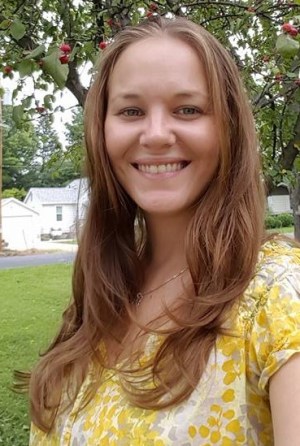
 I’ve only ever taught at the college level; this has definitely shaped my philosophy on teaching. Because I see college as an opportunity to grow and discover (not all that different from K-12) I approach my classroom, whether on-ground or online, with an eye toward critical inquiry. Sure, I will assign readings and expect my students to develop a working knowledge of my discipline, but perhaps more importantly, I want them to develop abilities to question, to explore, to collaborate, and to discover knowledge that is relevant to them.
My teaching style is driven primarily by the concepts of lifelong learning (Inoue, 2007), inquiry-driven learning (Conrad & Dunek, 2012), and participatory cultures (Jenkins, 2006). Adopting a constructivist view of learning, I encourage my students to connect the content of my courses to their own lives and career goals because I believe it creates a more meaningful and, therefore, effective learning experience. My classroom does not ban digital technologies, it embraces them. We live in the 21st century and not only do our lives revolve around digital tech, so to do our jobs. While I agree that college should prepare graduates to enter the workforce, I know that many employers are looking for people who are more than a body of knowledge (ahem, the Internet has all of that, at our fingertips!); they want people who can work well with others, people who can critically evaluate and solve problems, and people who are able to creatively advance themselves throughout their careers. In light of that, I try to empower my students by giving them agency in my classroom. I allow choice in project content and design. I encourage collaborative problem solving and peer engagement. I am strongly opposed to a top-down, rigid, isolated pedagogy. Instead I prefer students to be in the “driver’s seat”, while I provide expert guidance and feedback as they find their passion within my discipline.
That said, what is my discipline? Well, I have degrees in the social sciences: Psychology (B.S. major, M.S.), Sociology (B.S. minor, M.A.), and Education (PhD, Curriculum & Instruction). I have taught in all of these disciplines and more (e.g. Speech, Critical Thinking, Personal Financial Management, College Success Skills, to name a few). So, you could say I am a “people scholar” – I’m interested in how people are, how they act, how they learn. These fields are closely related to each other and I think my academic background has given me a unique approach to teaching. While I have a basic grasp of the internal functions of the brain and behavior, I also have a deep passion for understanding the dynamic between and among groups of people. I decided to end my formal education with a degree in Education, for the sole purpose of being a better teacher. I have learned that my own pedagogical proclivities are borne out by research in the learning sciences. I have been able to deepen my working knowledge of how people learn and hope to use that knowledge to enhance the educational experiences of all my students.
 Karin A. Spader